
Exercise With Pain
Exercising can feel daunting when you live with chronic pain or have a history of injury. I’ve been there myself with chronic pain, and I know how frustrating and disheartening it can feel when everything you try seems to have little effect, or even makes things feel worse. The body often becomes guarded and protective, and while we know that not moving isn’t the long-term answer, returning to movement can feel unsafe, confusing and overwhelming.
I hold specialist qualifications in biomechanics, pelvic floor health, and supporting clients with back and hip pain. Alongside this, my life coaching training supports clients to explore their beliefs around pain and recovery. While no one can promise recovery for any individual, there are people all over the world recovering from many different types of pain and injury. If we don’t believe improvement is possible, we’re unlikely to look for new answers or approaches.
Pain is often demonised (and understandably so, as it can deeply affect our work, mood, relationships, and overall quality of life) but at its core, pain is the body’s attempt to protect us. When we understand pain in this way, rather than only trying to numb or avoid it (which can be necessary and important in many cases), we open the door to longer-term change. This involves learning to understand pain more deeply and gaining a greater sense of control over it, through movement, biomechanics and working with our nervous system.
As a personal trainer, my scope is not to diagnose, treat, or cure injuries or medical conditions. My role is to support you in developing safe, appropriate movement options, building strength and confidence, and improving how your body functions day to day. As a by-product of this approach, most clients experience a significant reduction in pain, with many becoming pain-free as their movement capacity and confidence improve.
I work with people experiencing mild to moderate pain or injuries that are stable. If pain is severe, worsening, or unstable, I will always recommend working with a physiotherapist or other appropriate healthcare professional first to ensure your safety.
How I support you
Clean movement through each joint
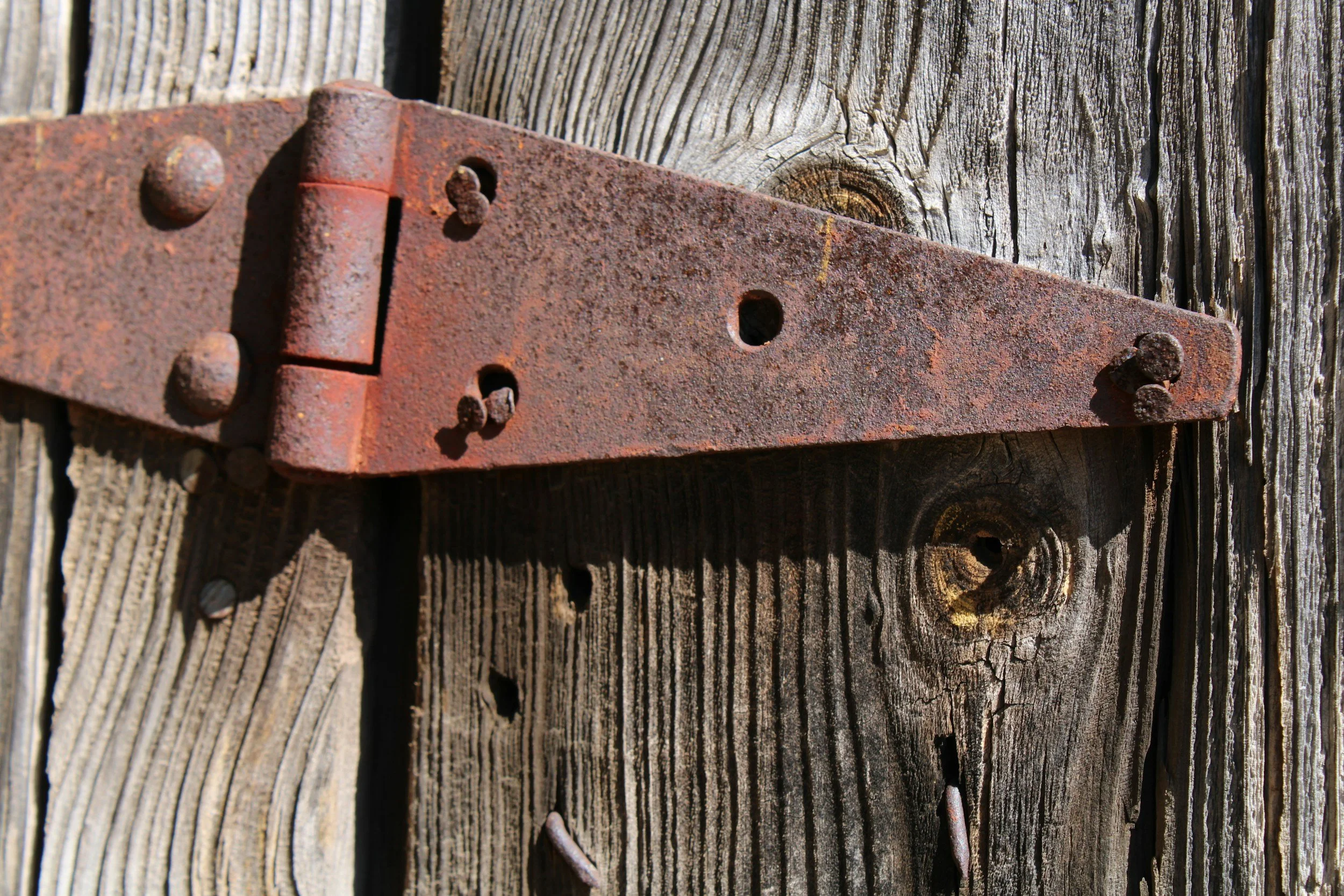
When we imagine joints as hinges (a simplification, as no joint is quite that simple), pain often arises when those hinges aren’t opening and closing as they’re designed to. It’s similar to a door hinge with loose screws — instead of moving smoothly, extra strain is placed on the surrounding structures. By improving how joints move through their available range, using controlled and appropriate movement, many people experience reduced tightness and far greater comfort with everyday movement.

Spinal movement
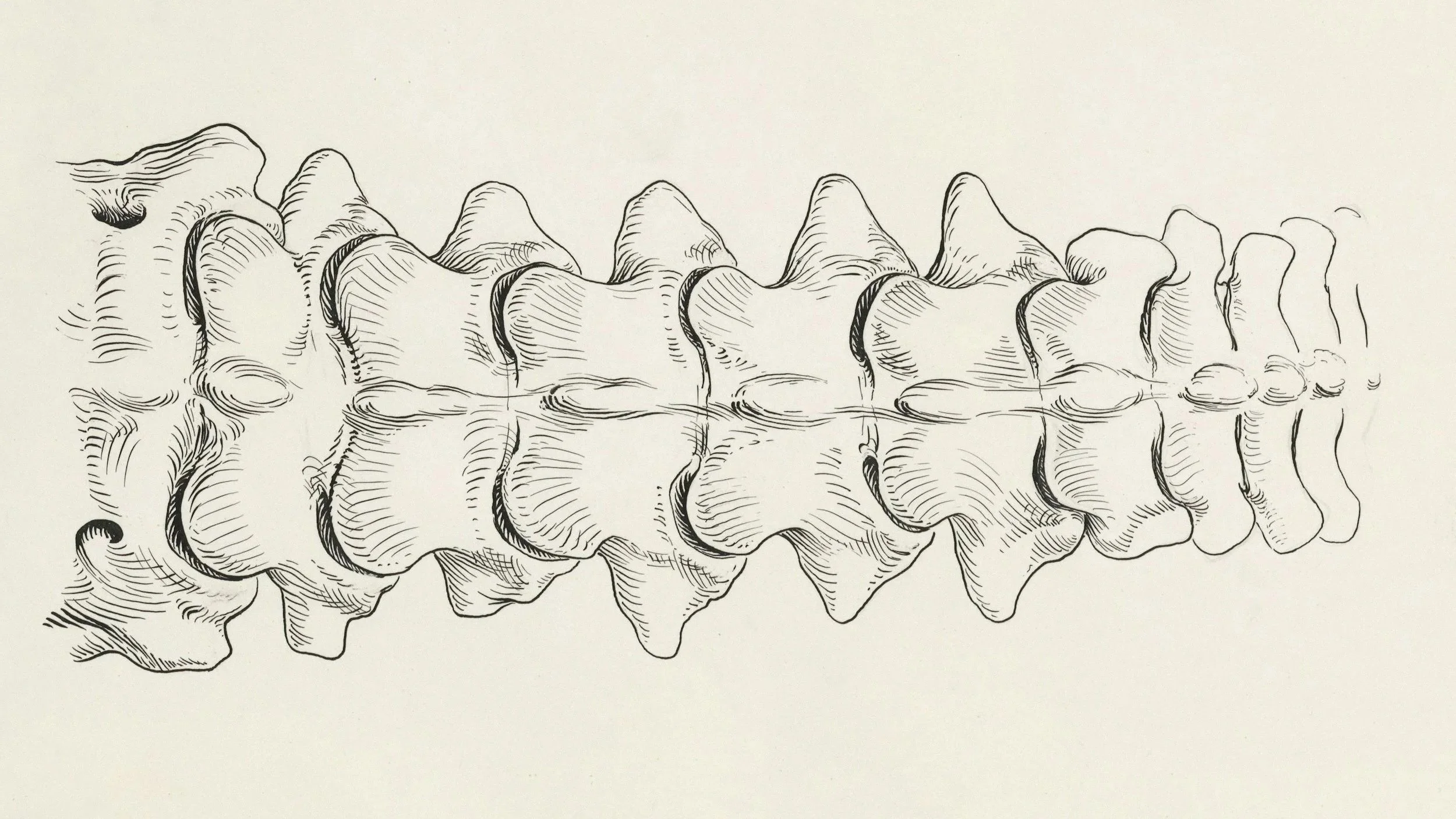
When pain has been present, spinal movement can feel really scary. The spine is designed to move in all directions, but how we introduce this movement when we have pain or injury matters. We limit movement in any sensitive areas using small, gentle ranges to encourage blood flow and signal safety, while supporting the rest of the spine to move well. Each vertebra is designed to contribute small amounts of movement in multiple directions. Working to get more movement in areas that are safe helps spread load more evenly and reduces unnecessary strain on any one area.

Nervous system support
My work is deeply rooted in nervous system-aware training. Our experience of pain is influenced by how safe the nervous system feels. When the body perceives greater safety, it often reduces protective tension and pain responses. I use grounding practices, functional breathwork, somatic-informed techniques, and pacing strategies to support regulation and help movement feel more accessible and less threatening.
Core strength & intra-abdominal pressure
Our core consists of four layers of muscle, and most of us end up overusing the same muscles, while the others, usually the deeper ones switch off. This creates imbalances that tug on the spine, pelvis, and ribcage, which is why you can do endless core exercises yet still have back pain, or feel like your tummy never truly flattens or firms. Instead of piling on more reps, we focus on getting the under active muscles working so you can build strength in a way that actually supports your whole system. We also look beyond the abs themselves. Your diaphragm and pelvic floor are part of your core, and when the core isn’t functioning well, the diaphragm doesn’t move properly. That limited movement doesn’t just affect posture and pain — it also influences your emotional state, as the diaphragm plays a key role in regulating stress and anxiety. When we train the whole system together, we’re not just building strength; we’re restoring the physical–emotional link that helps you feel more stable, more supported, and more at ease in your body.
A whole-body approach
It’s easy to focus solely on the site of pain, but pain in one area influences how the entire body moves. Through muscular and fascial connections, restriction or tension in one region can affect many others, so alongside local work we also address global movement patterns. For some people, improving things like foot mechanics or jaw and tongue tension can positively influence hip or back comfort. At the same time, a key part of my role is helping you build capacity using what your body can do. If certain movements or areas are currently limited, sessions are adapted accordingly — for example, focusing on upper-body boxing for cardiovascular fitness when lower-limb loading needs to be reduced. This whole-body, capacity-building approach supports long-term physical resilience and also the mental side of recovery, helping you feel capable and empowered rather than restricted.